
BR28712925 – Research and development of cold plasma technologies for integrated ecosystem rehabilitation
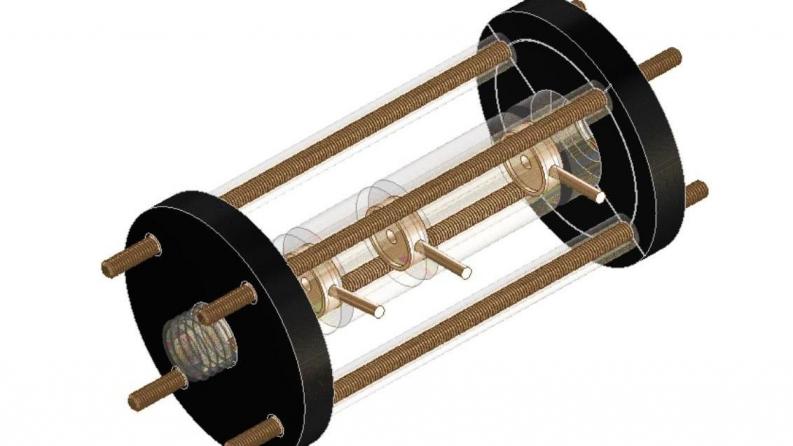
Objective of the project – The goal of the program is to research and develop innovative and environmentally friendly cold plasma technologies using non-thermal plasma at atmospheric pressure (NTAPP) and the dielectric barrier discharge (DBD) method, aimed at rehabilitating ecosystems, restoring soil quality (fertility) and purifying water from organic pollutants, as well as destroying pathogenic microorganisms.
Relevance: The project focuses on addressing a critical environmental challenge in Kazakhstan—the restoration of water and soil quality amid growing anthropogenic pressure. Pollution by heavy metals, organic compounds, and microplastics poses serious threats to ecosystems, agriculture, and public health. The proposed technologies offer an advanced approach in environmental engineering with strong potential to modernize sustainability practices both nationally and internationally. Their implementation will enhance quality of life and reinforce Kazakhstan’s role in developing environmentally friendly technologies.
Scientific supervisor: Associate Professor, Toktar Murat
Expected and achieved results: The project investigates the generation of reactive oxygen and nitrogen species by cold plasma and their impact on a wide range of pollutants, including microplastics, organic compounds, heavy and radioactive metals, and pathogens, while identifying optimal conditions for their removal from water and soil. Key parameters of the cold plasma technology (power, pressure, and treatment duration) were analyzed, and kinetic models were developed to improve prediction and efficiency of purification processes. The effectiveness of soil remediation using cold plasma and biochar was examined, along with mechanisms of microbial inactivation and assessment of environmental safety. Optimal reactor and electrode configurations were determined, and the system design was enhanced to increase energy efficiency and reduce operational costs. An industrial prototype of the cold plasma system was developed and successfully tested, demonstrating scalability and applicability for real conditions. The technology’s potential, limitations, and pathways for commercialization and wider adoption were also analyzed. The program will result in at least 9 WoS/Scopus-indexed publications, 10 national journal articles, 1 monograph, and a minimum of 2 international patents or 5 registered intellectual property outputs.