
AP26198395 – Development of energy-saving and import-exempt innovative technology for the integrated processing of lead-containing waste and secondary raw materials with the replacement of scarce reaction-fluxing components with industrial waste
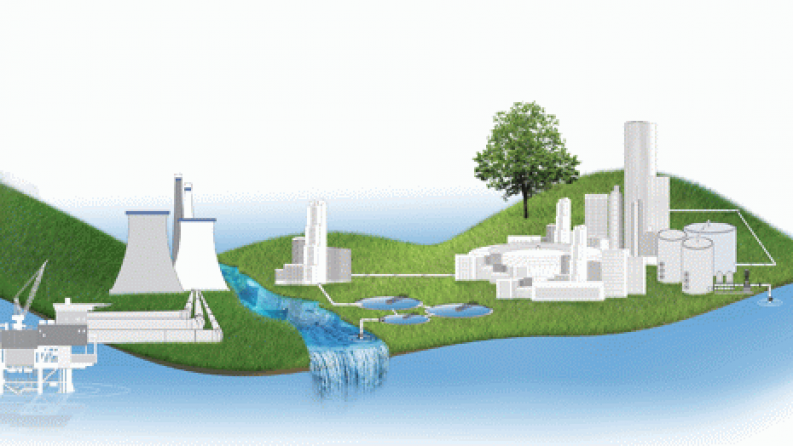
Objective of the project – Develop an innovative technology for the integrated processing of secondary and man-made lead-containing raw materials and industrial products by low-temperature electric melting with the reduction of deficient reaction-fluxing components and the complex extraction of all valuable components into marketable products.
Relevance: The relevance of this project is determined by the worsening environmental challenges in the Republic of Kazakhstan, including environmental pollution, low levels of waste recycling, and inefficient wastewater treatment. A significant contribution to environmental degradation is the accumulation of more than 120 million tons of industrial waste, which continues to grow by several million tons annually. At the same time, the quality of mineral raw materials is declining, requiring new approaches to their rational use under conditions of limited resources. A considerable portion of technogenic waste contains valuable metals and can be considered as secondary raw materials for processing. The involvement of lead-containing dust and fine-dispersed waste in recycling makes it possible to address both environmental and economic challenges simultaneously. The development of innovative technologies using accessible waste from other industries facilitates the transition to more sustainable and environmentally friendly production.
Scientific supervisor: Master of Technical Sciences, Candidate of technical sciences, Associate Professor, Moldabayeva Gulnara
Expected and achieved results: At the current stage of the project, a comprehensive database of initial data has been established for designing the smelting process of lead-containing technogenic and secondary raw materials. A set of analytical studies has been carried out, including elemental analysis using the Olympus Vanta XRF analyzer, microstructural analysis by scanning electron microscopy (SEM), phase analysis using X’Pert PRO MPD and JED-2300 diffractometers, and spectrophotometric determination of individual components using the UV/VIS UV5 instrument. Based on the obtained results, the composition of dust and waste materials—such as calcium defecate, nepheline sludge, and reinforced concrete scrap—has been refined, and thermodynamic modeling of the Pb–Ca–Na–C–S–O system has been performed using Outotec HSC Chemistry v.8.1.5 in the temperature range of 800–1200 °C. The modeling results confirmed the possibility of efficient lead recovery and the formation of stable silicate-sulfate phases with a reduced use of conventional fluxes. It has been demonstrated that the use of low-cost waste materials as fluxing additives reduces material costs, increases the level of secondary resource utilization, and improves the environmental performance of the process. The obtained results provide a basis for selecting the optimal charge composition and conducting further experimental studies on electric