
AP26197157 – Computational Methods for Multimodal Optimization in Complex Systems
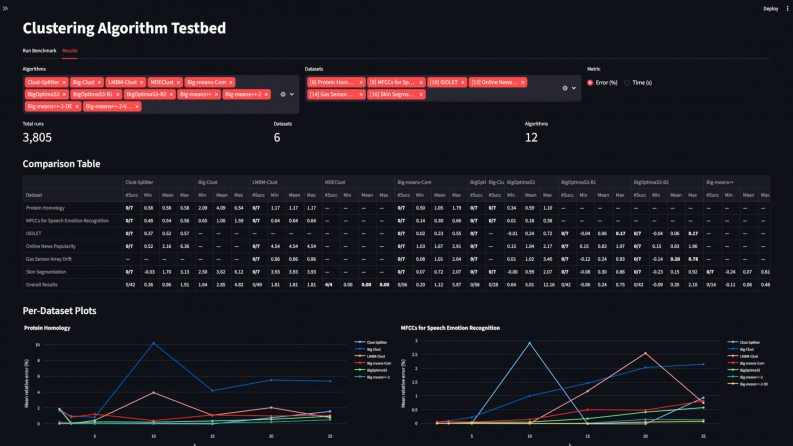
Objective of the project – to develop novel, potentially universal multimodal optimization methods and specific algorithms, while exploring their applicability across a range of complex industrial, technical, and social systems. The project will also investigate their use in creating and enhancing intelligent expert systems for applied use cases involving multimodal big data. The overall goal consists of three complementary objectives: (i) curation of data; (ii) design of computational methods and software, performing extensive experiments; (iii) conceptualization of developed methods, publication of obtained results.
Relevance: The relevance of the project is driven by the need to solve complex large-scale optimization problems, which are becoming increasingly important across various sectors of the economy. Existing methods often lack sufficient scalability and fail to find global optimal solutions, limiting their practical effectiveness. With the growth in data volume and diversity, there is an increasing demand for new approaches that can account for the multimodal nature of information. The integration of different types of data (text, images, video, sensor signals, etc.) opens opportunities for more accurate and efficient decision-making. The development of multimodal optimization methods expands the search space and helps avoid local minima. Overall, the project aims to create innovative tools that can enhance efficiency in key areas such as logistics, manufacturing, transportation, and resource management.
Scientific supervisor: Ph.D., Associate Professor, Mussabayev Ravil Rafikovich
Expected and achieved results: In 2025, within the framework of the project, an innovative software library was developed, integrating existing approaches to optimization and multimodal data processing for applied tasks. Basic and advanced algorithms were implemented, and a module for working with prepared datasets was created. A unified system of interfaces was provided, enabling the integration of new multimodal heuristics. A modular architecture was developed to ensure scalability and extensibility without modifying the core infrastructure. Technical documentation and usage examples were prepared, forming a methodological foundation for further research and computational experiments. In the subsequent stages of the project, new multimodal optimization methods are expected to be developed and large-scale computational experiments conducted. The developed solutions are intended to be applied in customer segmentation, logistics optimization, resource-efficient manufacturing, and intelligent decision-support systems. The implementation of these methods will improve performance, reduce costs, and enhance resource allocation. Significant impact is also expected in transportation and manufacturing through route optimization and reduction of material losses. Overall, the project results will generate economic benefits, increase the competitiveness of the developed solutions, and create potential for their commercialization on the global market.