
AP26195333 – Mineral waters of the Zhetysu-Alatau-Balkhash basin: isotope-geochemical features, formation mechanisms and balneological value
Objective of the project – to obtain the first data on the distribution of a wide range of chemical elements, stable and radioactive isotopes in the mineral waters of the Zhetysu-Alatau-Balkhash basin and to identify the multifaceted role of the water-rock system in the processes of formation of their chemical composition. The applied results of the project will be the clarification of their balneological value for the justification of new clusters for the development of the spa industry and the tourism industry of the Republic of Kazakhstan.
Relevance: The relevance of the project is driven by the lack of modern comprehensive studies on underground mineral waters of Kazakhstan, as the latest available data were obtained more than 50 years ago and are now outdated. With the development of the spa industry and balneology, there is an increasing need for up-to-date and reliable information on the isotopic and geochemical characteristics of mineral waters. The insufficient understanding of the mechanisms of their chemical composition formation limits the efficient use of these natural resources. Modern analytical methods and theoretical approaches make it possible to significantly expand the understanding of processes occurring in the “water–rock” interaction system. Comprehensive studies of mineral waters and host rocks using advanced technologies will provide new high-quality scientific data. Overall, the project is aimed at filling existing scientific gaps and creating a foundation for the development of balneology, tourism, and rational use of natural resources.
Scientific supervisor: Candidate of Geological and Mineralogical Sciences, Professor, Zavaley Vyacheslav
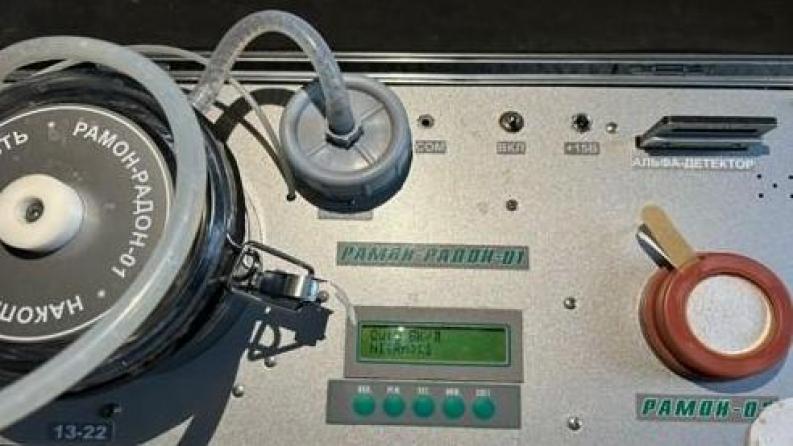
Expected and achieved results: In the first year of the project, large-scale field studies were conducted, including hydrogeochemical sampling of 41 sites within the Zhetysu–Alatau–Balkhash basin. The collected mineral water samples were transferred to accredited laboratories for detailed chemical and analytical studies. An electronic database was created, containing 1,712 retrospective samples from springs and wells, significantly expanding the project’s information base. A summary of radon hazard data was carried out, showing that radon activity ranges from 0.9 to 342.9 Bq/dm³, with the highest values observed in Middle–Upper Carboniferous waters. It was determined that groundwater is predominantly of the hydrocarbonate-calcium type, with mineralization ranging from 0.06 to 52.5 g/dm³ and pH values between 6.4 and 9.3. Based on the Piper diagram, the samples were classified into 11 groups according to the age of host rocks, allowing for the systematization of their geochemical characteristics. Patterns of radon activity distribution depending on geological age and rock type were identified. The obtained results provide a basis for further isotopic and geochemical analysis, the development of a classification system for mineral waters, and the assessment of their balneological value for the development of the spa industry and tourism in the Republic of Kazakhstan.