
AP25794509 – Development of geophysical criteria for localization of ore districts using digital physical field models resulted from airborne geophysical studies
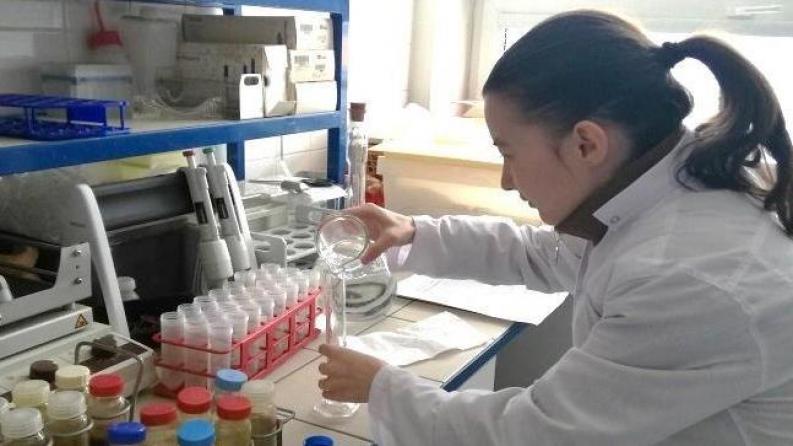
Objective of the project – The development of bio-encapsulated fertilizers based on organic waste and their implementation in agriculture is highly relevant. The project holds practical significance by enhancing agricultural sustainability, addressing environmental challenges, efficiently utilizing local resources, reducing dependence on imported fertilizers, and increasing crop productivity. Conducting research in the Turkestan region, which features diverse climatic and soil conditions, ensures the accuracy and practical relevance of the results. The introduction of bio-encapsulated fertilizers provides environmentally and economically effective solutions and contributes to the innovative development of agriculture.
Relevance: At present, the identification of new prospective ore-bearing structures is a key task for strengthening the mineral resource base of Kazakhstan. Despite extensive previous geological studies, a significant portion of the data requires revision in line with modern scientific approaches. In particular, information on rock age, structural features, and mineralization patterns has become outdated. The use of advanced airborne geophysical methods and digital modeling technologies enables comprehensive reinterpretation of geological data. This improves the reliability of resource forecasting and enhances the efficiency of exploration activities. Therefore, the development of new geological and geophysical criteria is of great scientific and practical importance.
Scientific supervisor: PhD, Zhanar Zhenisovna Yesenbayeva.
Expected and achieved results: The project results focus on the efficient use of organic waste in agriculture, the implementation of bio-encapsulated fertilizers, and the enhancement of environmental sustainability. The obtained data improves plant growth and development and ensures gradual nutrient release. Results will be applied in lectures and laboratory classes and serve as a basis for scientific work by doctoral students and undergraduates. Project implementation promotes investment, creates new jobs, and improves community well-being. Additionally, results are formalized through scientific publications and patents.