
AP25793601 – Improving the efficiency of oil field waterflooding by considering well interactions and optimizing their placement scheme
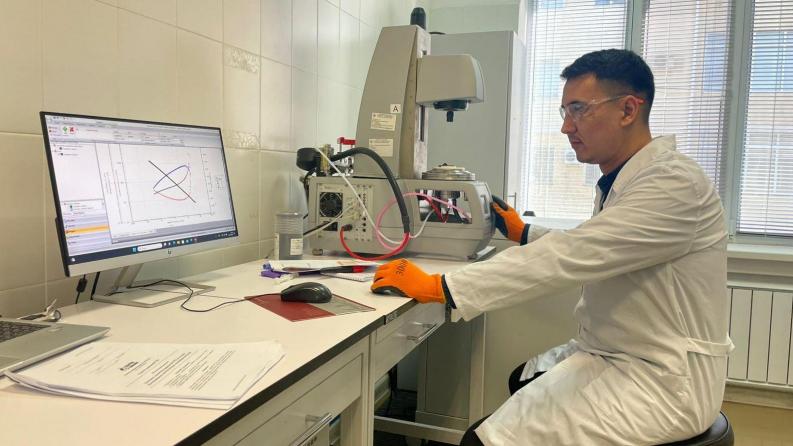
Objective of the project – The main goal of the project is to conduct research on developing well grids for mature fields, as well as to evaluate the profitability of well grid infill drilling, taking into account various reservoir parameters and their interference.
Relevance: The relevance of this study is associated with the transition of most oil fields to a mature stage of development and the need to improve oil production efficiency. Although water injection is widely used to maintain reservoir pressure, the issues of accurately predicting well interaction and water cut processes remain insufficiently studied. Optimizing well spacing and reducing their interference are among the key factors for increasing oil recovery. Therefore, improving water injection systems and studying well interaction represent important scientific and practical tasks.
Scientific supervisor: Master of Technical Sciences, Bakytzhan Baluanov.
Expected and achieved results: The study analyzes various well pattern configurations considering the geological and geophysical characteristics of the reservoir and develops a qualitative map of interference effects. A field was selected for waterflooding analysis, and its database was processed with classification by reservoir types. A literature review was conducted, and the proposed hypothesis was tested. The scientific novelty lies in improving methods for quantitative assessment of well interaction and in defining criteria for optimizing well patterns in mature oil fields.