
BR21882294 — Autonomous energy supply system for remote regions of Kazakhstan based on renewable energy sources
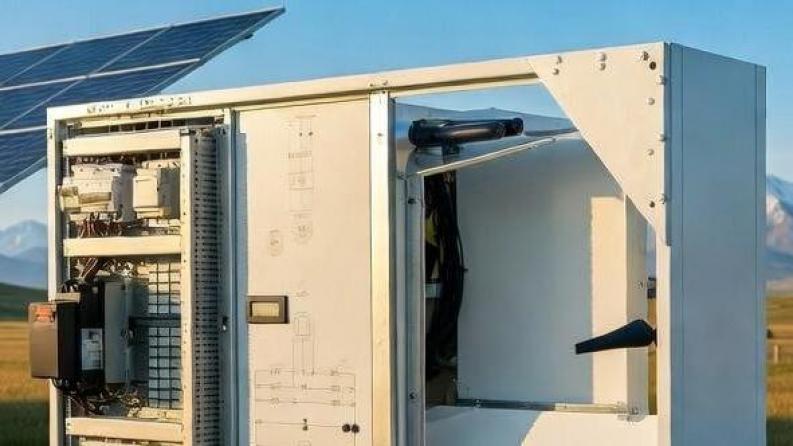
Goal of the work: 1. Development of a methodology for monitoring and forecasting the efficiency of generating power plants with solar converters; 2. Creation of an innovative wind power plant with a horizontal axis of rotation for power supply to remote energy consumers; 3. Development of a highly efficient microhydroelectric power plant (microGPP) based on the use of an innovative method of water energy conversion.
Relevance of the work: Solar, wind, and hydropower contribute to reducing greenhouse gas emissions. In addition, the transition to renewable sources creates new jobs in various sectors, from production and installation of equipment to maintenance and system design. This not only supports the economy, but also promotes the development of sustainable infrastructure that can adapt to climate change.
Scientific supervisor: Doctor of technical sciences, Professor, Bekbaev Amangeldy
Results obtained: Within the research project, a methodology was developed to evaluate the efficiency of low-power solar converters, improving the accuracy of performance assessment. A computer model of a wind energy installation was studied and implemented, taking into account key operational parameters. A computer model and control system for a micro-hydropower plant were created to enhance reliability and energy generation efficiency. An analysis of the combined operation of renewable energy sources within hybrid systems was conducted. It was demonstrated that the integration of solar, wind, and hydro energy helps optimize energy processes and reduce costs. The techno-economic advantages of using local renewable energy resources were evaluated, including increased energy independence. The obtained results confirm the scientific, technical relevance and practical applicability of the developed solutions.
List of publications with links to them