
AP26194771 – Development of a geoinformation-analytical system for collecting and modeling air quality data in Almaty from mobile pollution sources
Objective of the project – Development of a prototype geoinformation-analytical system for mathematical modeling, intelligent, and spatiotemporal analysis of the impact of motor vehicle emissions on air quality in Almaty, considering transportation, meteorological, and geospatial characteristics.
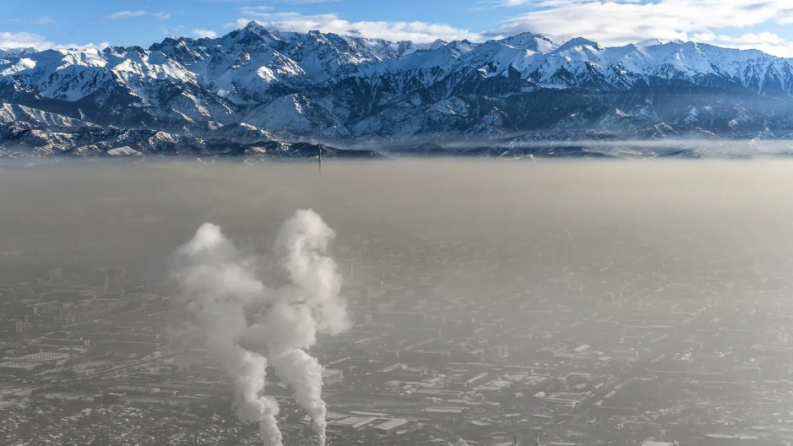
Relevance: The relevance of this project is driven by severe environmental, socio-economic, and technological challenges related to air pollution in Almaty. The city consistently ranks among the 180 most polluted cities in the world, with road transport contributing up to 60–80% of total emissions. Concentrations of PM2.5 and PM10 exceed WHO standards by 4–5 times, leading to serious public health impacts. In 2023, around 40% medical visits were linked to respiratory diseases caused by poor air quality, while Kazakhstan loses up to 6,000 lives annually due to air pollution. These issues also create significant economic losses, estimated at around 1.5% of the national GDP, and reduce the quality of life, prompting many residents to consider relocation. Therefore, the project is highly relevant as it proposes innovative, data-driven solutions using AI and advanced modeling to address urban air pollution in Almaty.
Scientific supervisor: Doctor of technical sciences, Professor, Akbassova Amankul Dzhakanovna
Expected and achieved results: The project has resulted in the creation of a comprehensive database for the city of Almaty, including geographic, transport, meteorological, environmental, and socio-economic data. A detailed digital map of the city was developed based on OSM, highlighting 17 key streets and integrating layers of transport infrastructure, green zones, and topography. Extensive data on the vehicle fleet were collected, including age structure, fuel types, and dynamics from 2003 to 2024. Meteorological data such as temperature patterns, wind speed and direction, and wind rose diagrams were analyzed, alongside environmental monitoring data from Kazhydromet and IQAir sensors. Large-scale field studies were conducted, including 480 traffic measurements and 720 seasonal air quality measurements across key intersections and zones. Laboratory analysis of 48 air samples and 30 instrumental measurements of vehicle emissions provided detailed insights into the chemical composition of pollutants. The project identified key pollutants, including NO₂, CO, PM2.5/PM10, and benzo(a)pyrene, and classified them based on their health impact according to international and national standards. Risk assessment revealed very high probabilities of harmful exposure in both residential and industrial areas. A validated list of priority pollutants associated with transport and industrial sources was established. Based on the findings, practical recommendations were developed, including promoting electric and gas transport, strengthening environmental regulations, and improving monitoring systems to enhance air quality and public health.