
AP14871210 – Study of the influence of hydrogenation and helium embrittlement processes in materials for dispersed nuclear fuel of HTGR type reactors
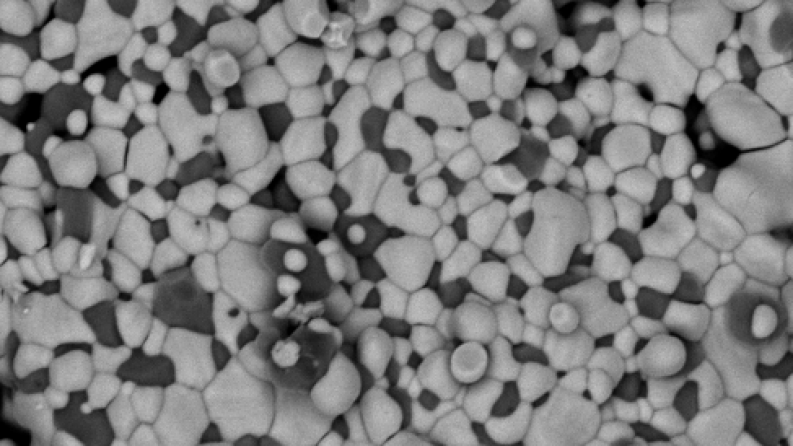
Goal of the work: The goal of this project is to study the influence of hydrogenation and helium embrittlement processes in materials used for dispersed nuclear fuel in HTGR type reactors. The main objective of the project is to understand the mechanisms, characteristics and consequences of these processes on the structure and properties of materials used in nuclear technology.
Relevance of the project: The relevance of the project to study the influence of hydrogenation and helium embrittlement processes in materials for dispersed nuclear fuel of HTGR type reactors is emphasized by the following aspects: Hydrogenation and helium embrittlement are potential threats to the safety of operation of nuclear reactors. The study of these processes is necessary to prevent possible emergency situations and ensure stable and safe operation of reactors. Understanding the mechanisms and factors influencing hydrogenation and helium embrittlement will make it possible to develop methods and technologies to increase the service life of HTGR nuclear reactors. This is important given the increasing average age of existing nuclear installations around the world. The problems of hydrogenation and helium embrittlement are relevant for many countries with nuclear technology. The study of these processes and the development of methods for their management are the subject of international cooperation and exchange of scientific knowledge and experience. In this regard, the study of the influence of hydrogenation and helium embrittlement processes in materials for dispersed nuclear fuel of HTGR type reactors is a relevant and important area of scientific research.
Scientific supervisor: Doctor of Ph.D., Research Professor, Kenzhina Inesh
Results obtained: The study investigated the phase composition of ZrO₂–Al₂O₃ ceramics depending on component ratios using X-ray diffraction analysis. It was found that varying the Al₂O₃ content leads to the formation of multiphase structures and solid solutions accompanied by phase transformations of zirconia. The presence of interphase boundaries was shown to enhance crystallinity and structural stability of the materials. Radiation effects were studied, revealing swelling, softening, and changes in thermophysical properties under irradiation. Two- and three-phase ceramics demonstrated higher resistance to radiation-induced degradation due to interphase and dislocation strengthening mechanisms. The results highlight the potential of multiphase ceramics for applications in high-radiation environments.
List of publications with links to them
1. Kenzhina, I. E., Kozlovskiy, A. L., Begentayev, M., Tolenova, A., & Askerbekov, S. (2023). Influence of the Change of Phase Composition of (1− x) ZrO2–xAl2O3 Ceramics on the Resistance to Hydrogen Embrittlement. Materials, 16(22), 7072. (Web of Science, Q2, IF-3.1 (2023), CiteScore – 5.8, percentile – 73 %, (Physics and Astronomy)). https://doi.org/10.3390/ma16227072
2. Kenzhina, I. E., Kozlovskiy, A. L., Begentayev, M., Tolenova, A., & Askerbekov, S. The effect of (1 − x)ZrO2–xAl2O3 ceramics phase composition change on resistance to helium swelling. ES Materials and Manufacturing. 2024. (Scopus, CiteScore – 14.4, percentile – 95 % (Materials Science)).
3. Кенжина, И. Е., Шаймерденов, А. А., Толенова, А. У., Аскербеков, С. К., & Козловский, А. Л. (2022). Изучение процессов фазообразования в инертных матрицах по типу cer-cer на основе оксидных соединений. Вестник НЯЦ РК, (3), 82-87. https://doi.org/10.52676/1729-7885-2022-3-82-87