
AP14972926 — Preparation and study of lithium-alloyed materials with a highly porous structure for use as the anode of lithium-ion batteries
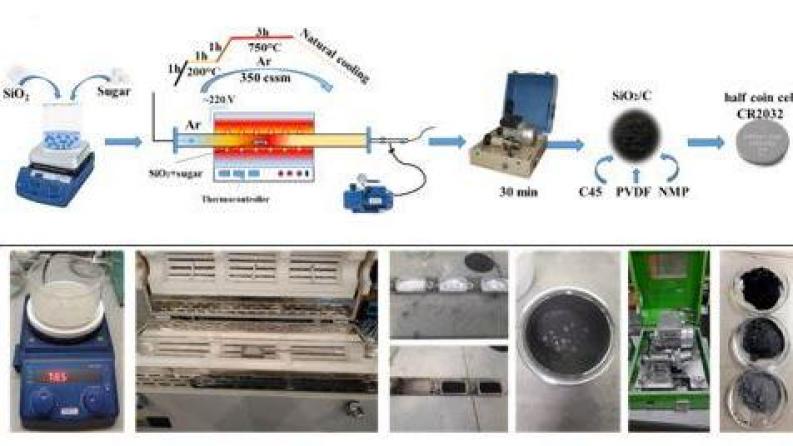
Objective of the project: The goal of this project is to obtain and study lithium-alloyed materials with a highly porous structure for use as the anode of lithium-ion batteries. The main objective of the project is to develop new materials with high capacity and stability of charge/discharge cycles, and also capable of reducing volumetric changes during lithium smelting processes. intercalation and deintercalation .
Relevance of the project: The relevance of the project to obtain and study lithium-doped materials with a highly porous structure for use as anodes of lithium-ion batteries is emphasized by the following factors: With the development of mobile devices, electric vehicles and renewable energy, the demand for efficient, durable and safe power sources is growing. Lithium-ion batteries are among the most promising options, and improving their characteristics, including anodes, is an urgent task. With the development of technologies requiring higher energy densities, such as electric vehicles and portable electronic devices, it becomes important to develop materials with high energy storage and transfer capabilities, which can be achieved using highly porous lithium-doped anodes. Based on these factors, the development and research of lithium-doped materials with highly porous structure for use as lithium-ion battery anodes represents an important direction in the field of energy and materials science.
Scientific supervisor: Ph.D., Associate Professor, Askaruly Kydyr
Results obtained: The research focused on studying the electrochemical properties of activated carbon and its composites with SiO₂ and Si derived from agricultural waste. The developed materials demonstrated high specific capacity and stable cycling performance. The mechanisms of interaction between components and their influence on material performance were analyzed. An assessment of the completeness of the tasks confirmed that all planned objectives were achieved. Recommendations were developed for optimizing synthesis methods and further application of the materials in energy storage systems. The obtained results confirm the potential of these composites for use in lithium-ion batteries.
List of publications with links to them
- Askaruly K., Korobeinyk A. V., Azat S., Yeleuov M., Taurbekov A., Toshtay K., Su X. The electrochemical behavior of silica and activated carbon materials derived from the rice husk waste for Li-ion cells // Diamond and Related Materials. – 2023. – Vol. 133. – 109759. https://doi.org/10.1016/j.diamond.2023.109759
- Askaruly K., Idrissov N., Abdisattar A., Azat S., Kuli Z., Yeleuov M., Nysanbayeva S. Utilizing rice husk-derived Si/C composites to enhance energy capacity and cycle sustainability of lithium-ion batteries // Diamond and Related Materials. – 2024. – 111631. https://doi.org/10.1016/j.diamond.2024.111631